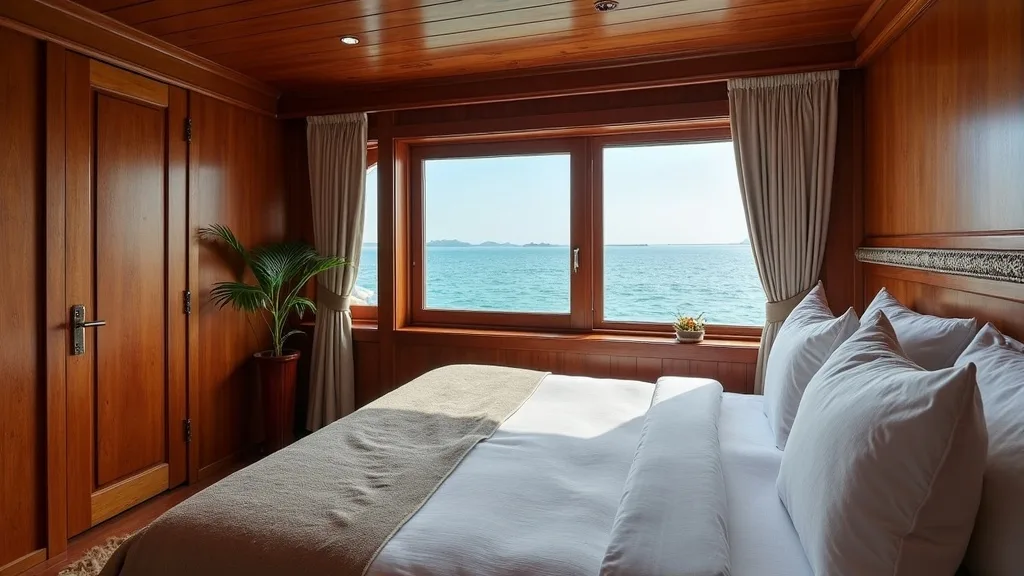
Explore the best of Raja Ampat snorkelling with our comprehensive guide, featuring top sites like Manta Sandy and Cape Kri, logistics, and essential tips.
Raja Ampat Snorkeling Overview
Raja Ampat is renowned for its lively marine life, boasting over 1,500 fish species and 500 coral species, making it a snorkelling paradise for non-divers. With clear waters and abundant marine biodiversity, it’s an unrivalled destination for marine enthusiasts.
Starting Point & Logistics
Begin your journey by flying to Sorong Airport (SOQ) in West Papua, followed by a ~2.5 to 3-hour speedboat ride to Waisai, the heart of Raja Ampat. Alternatively, flights to Labuan Bajo (LBJ) provide access to Komodo National Park.
To enter Raja Ampat Marine Park, secure a Marine Park Entry Permit for IDR 700,000 (~USD 45), valid for 12 months, obtainable online or at the BLUD UPTD office in Waisai.
Best Snorkelling Season
The prime snorkelling season spans October to April, with the added allure of manta ray sightings from December to March.
Top Snorkeling Sites for Non-Divers
- Manta Sandy: Known for its pinnacle reef and manta rays, this site is accessible only by boat.
- Arborek Jetty: Ideal for calm-water snorkelling, complemented by the quaint village of Arborek.
- House Reefs: Accessible from islands like Mansuar and Gam, perfect for beachside snorkelling.
- Cape Kri: Features a gently sloping reef starting at 15 feet, ideal for observing diverse marine life.
- Yeben Shallows: Spot wobbegong sharks and colourful nudibranchs near Yeben Island.
- Dayang Island: Offers beach-accessible reefs and a chance to see manta rays.
Concrete Figures & Key Locations
With approximately 1,500 islands, Raja Ampat is a hotspot for marine biodiversity. Explore Wayag, Misool, Dampier Strait, Piaynemo, and more.
What’s Included
- Round-trip speedboat transfers from Sorong to Waisai
- Raja Ampat Marine Park Entry Permit
- Guided snorkelling tours at selected sites
- Accommodation options ranging from budget to luxury
Who It’s For
This guide is crafted for snorkelling enthusiasts, marine wildlife lovers, and those seeking an unforgettable underwater adventure without the need for diving certifications.
Exploring the Flora and Fauna of Raja Ampat
Raja Ampat’s unique position in the Coral Triangle makes it a global epicenter for marine biodiversity. The nutrient-rich waters support a wide array of life forms, including lively coral reefs, massive schools of fish, and rare species like the Dugong and the elusive Walking Shark. This biodiversity hotspot is an ecologist’s dream, offering a glimpse into the pristine natural world.
Cultural Experiences in Raja Ampat
Beyond its natural wonders, Raja Ampat offers rich cultural experiences. The indigenous Papuan tribes, known for their warm hospitality, offer visitors a chance to explore traditional ways of life. At villages like Arborek, you can witness traditional handicrafts and dance performances that reflect the region’s rich cultural .
Practical Tips for Snorkelers
When planning your snorkelling trip to Raja Ampat, consider the following practical tips: carry reef-safe sunscreen to protect the delicate marine environment, bring a dry bag for your valuables, and ensure your snorkelling gear is well-maintained. Hiring a local guide can enhance your experience by offering insights into the best snorkelling spots and ensuring your safety.
Connecting Raja Ampat and Komodo
For those looking to combine their Raja Ampat adventure with Komodo, flights from Sorong to Labuan Bajo (LBJ) provide an efficient travel option. Once in Komodo, explore iconic sites like Pink Beach and Padar Island, known for their stunning landscapes and unique wildlife, including the famous Komodo dragons.
Eco-Friendly Travel Practices
Minimizing your environmental footprint is crucial when visiting Raja Ampat. Use reusable water bottles, avoid single-use plastics, and adhere to the “take only pictures, leave only footprints” ethos. Participating in local conservation efforts can also enhance your travel experience while supporting the preservation of this unique ecosystem.
Local Cuisine and Dining
Experience the flavors of West Papua through its local cuisine. Fresh seafood is a staple, often prepared with traditional spices and techniques. Dining options range from simple warungs to resort restaurants, offering a taste of the region’s culinary diversity.
How can I purchase the Marine Park Entry Permit?
You can buy the permit online or at the BLUD UPTD office in Waisai.
What’s the best time to see manta rays?
The optimal period for manta ray sightings is from December to March.
Are there any snorkelling spots accessible from the beach?
Yes, many house reefs, such as those on Mansuar and Gam islands, are beach-accessible.
How can I plan my trip to Raja Ampat?
For personalised planning, plan your Raja Ampat trip on WhatsApp.