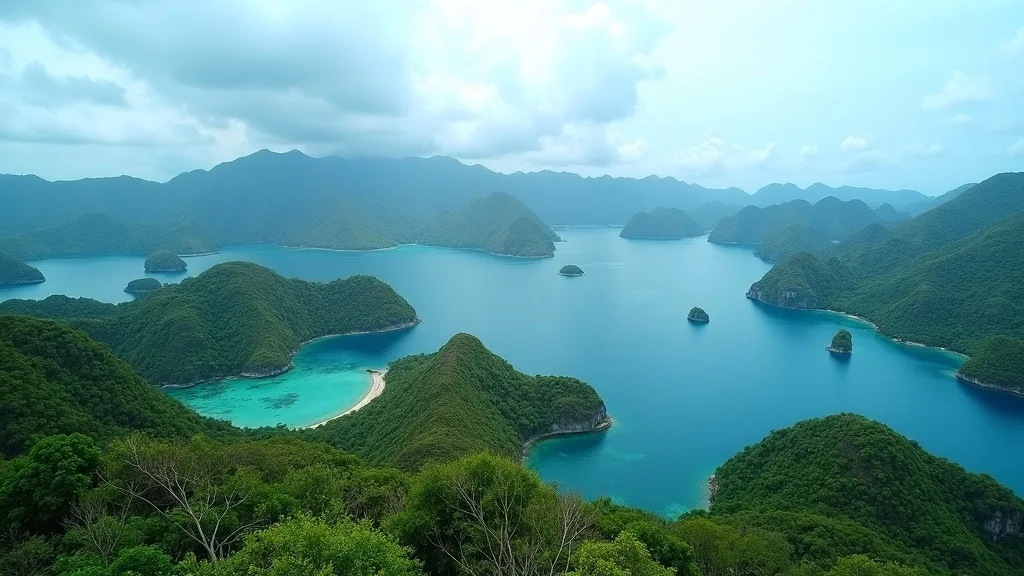
Choosing between Raja Ampat and Komodo depends on your diving experience and interests. Raja Ampat offers unmatched biodiversity and mild currents, ideal for intermediate divers. In contrast, Komodo is best for those seeking adrenaline-filled drift dives and wildlife trekking. Explore further to decide which suits you best.
Raja Ampat vs. Komodo: A Diver’s Paradise
The archipelagos of Raja Ampat and Komodo are among Indonesia’s most coveted destinations for divers. The choice between the two often boils down to your diving experience, the underwater biodiversity you wish to explore, and the type of land adventures you seek. Let’s into what makes each unique.
Best Diving Season
Raja Ampat
Raja Ampat is best visited from October to May, with the North accessible all year round. The peak manta ray season is from December to March, making it ideal for spotting these gentle giants at sites like Manta Sandy and Manta Point.
Komodo
In Komodo, the diving season peaks from May to October. The rainy season spans from November to February, but this period is marked by plankton-rich waters that attract manta rays and sharks, especially from June to September.
Manta Ray Encounters
Both destinations are famous for manta encounters, but timing is key. In Raja Ampat, mantas frequent the waters during the warmer months, while in Komodo, they are more prevalent during the cooler, plankton-rich months.
Diving Conditions: Currents and Water Temperature
Raja Ampat
Known for its mild currents, Raja Ampat’s waters remain warm throughout the year, ranging from 27–30°C. This makes it accessible to intermediate divers who can comfortably explore its biodiversity with a light wetsuit.
Komodo
Komodo presents a different challenge with its strong currents, perfect for drift diving enthusiasts. The water temperature varies significantly, with the southern sites dropping to about 20°C, necessitating a thicker wetsuit.
Biodiversity and Marine Life
Raja Ampat boasts over 550 coral species, offering an unmatched diversity of reef fish and marine life, making it a haven for underwater photographers and marine biologists. In contrast, Komodo’s 260 coral species are complemented by an abundance of pelagic species, including sharks and schools of manta rays.
Land Adventures
Raja Ampat
Beyond diving, Raja Ampat’s striking landscapes, including karst formations and hidden lagoons, offer serene exploration opportunities. Popular island tours often include visits to sites like Piaynemo for stunning vistas.
Komodo
Komodo, however, provides unique land-based adventures, including trekking to see the famous Komodo dragons. The island’s rugged terrain also offers beautiful beaches and panoramic views, ideal for adventurous travelers.
2027 Update: Travel Logistics
Raja Ampat
Reach Raja Ampat via Sorong Airport in West Papua. New direct flights from Bali to Sorong have cut travel times significantly, although a 2–3 hour speedboat or ferry ride from Sorong to Waisai is still necessary. The entry permit fee has been updated to IDR 1,000,000 (~$60 USD), payable at the Waisai port.
Komodo
Travel to Komodo is facilitated by Labuan Bajo Airport on Flores Island, with direct flights available from Bali and major Southeast Asian cities. The proximity of the airport to Komodo National Park makes it a convenient starting point for travelers.
Local Culture and Community
Raja Ampat
The indigenous communities of Raja Ampat are an integral part of the region’s charm. Visitors can engage with local villages to learn about traditional Papuan culture, participate in village tours, and witness unique cultural performances that highlight the region’s rich heritage.
Komodo
Komodo’s local communities are known for their connection to the land and sea. Travelers can explore traditional fishing villages and experience the local way of life, which includes traditional boat-making and fishing techniques passed down through generations.
Conservation Efforts
Raja Ampat
Raja Ampat has been at the forefront of marine conservation, with several marine protected areas established to safeguard its rich biodiversity. Community-led initiatives focus on sustainable tourism practices and protecting the coral reefs from environmental threats.
Komodo
Komodo National Park is a UNESCO World Heritage site, recognized for its efforts in preserving the unique terrestrial and marine ecosystems. Conservation programs focus on protecting the Komodo dragon and maintaining the delicate balance of its habitat.
Conclusion: Which to Choose?
Selecting between Raja Ampat and Komodo ultimately depends on personal preferences and diving skills. For those who cherish rich marine biodiversity and tranquil diving conditions, Raja Ampat is the perfect choice. However, if you thrive on the thrill of strong drift dives and are eager to encounter Komodo dragons on land, Komodo will not disappoint.
To tailor your diving adventure in Raja Ampat, plan your Raja Ampat trip on WhatsApp with our expert team.