Conservation in Raja Ampat: Protecting Earth’s Richest Reefs
Raja Ampat stands as a beacon of hope in global marine conservation—proof that protecting ocean ecosystems can succeed when local communities, governments, and conservation organizations work together. The archipelago’s Marine Protected Area (MPA) network, established progressively since 2007, now encompasses over 2 million hectares of ocean, making it one of the largest and most effective marine conservation zones in the Coral Triangle. This protection safeguards an ecosystem that contains more marine species than anywhere else on the planet—over 1,700 fish species, 600 coral species, and countless invertebrates.
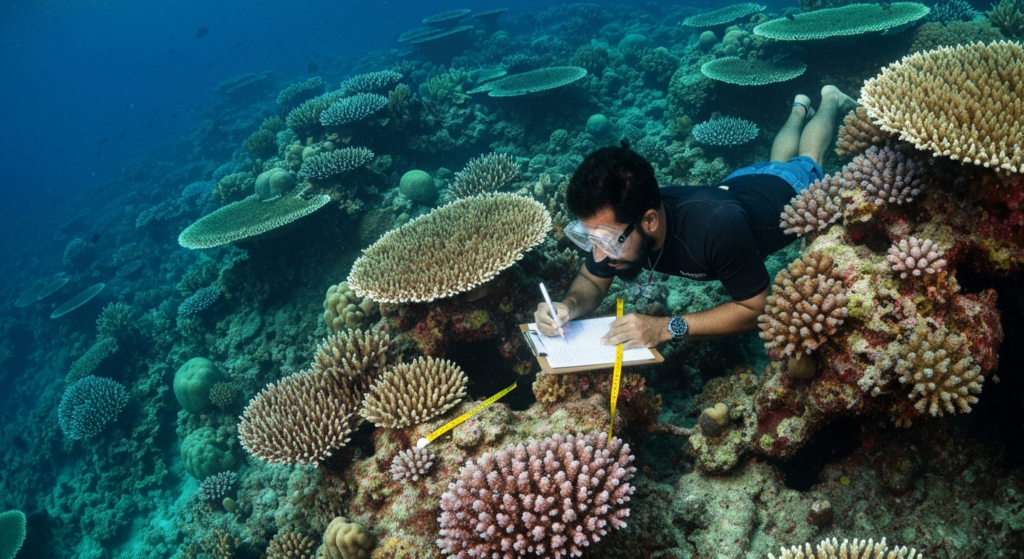
The success of Raja Ampat’s conservation model has earned international recognition and serves as a template for marine protection worldwide. Before protection began, destructive fishing practices including cyanide poisoning, blast fishing, and shark finning threatened to devastate these irreplaceable reefs. Today, through a combination of patrol enforcement, community stewardship, and sustainable tourism revenue, these threats have been dramatically reduced. Scientific monitoring shows remarkable recovery—fish populations have rebounded significantly, and coral health has improved across monitored sites.

The Marine Protected Area Network
South East Misool MPA
Established 2009, covering 340,000 hectares. Features no-take zones protecting critical spawning aggregation sites. Fish biomass increased 250%+ since protection began. Managed through partnership with Misool Foundation.
Dampier Strait MPA
Protects the nutrient-rich corridor between Waigeo and Batanta. Encompasses world-famous dive sites including Cape Kri, Manta Sandy, and Sardine Reef. Critical habitat for manta rays and whale sharks.
Wayag-Sayang MPA
Protects the iconic karst landscape of northern Waigeo. Includes critical nesting beaches for sea turtles and nursery habitats for reef sharks. Patrol stations ensure compliance with visitor regulations.
Community-Based Conservation
What makes Raja Ampat’s conservation model truly exceptional is its foundation in community ownership and benefit-sharing. The indigenous Papuan communities who have inhabited these islands for thousands of years are not merely stakeholders—they are the primary custodians and decision-makers in marine resource management. Through the traditional sasi system, villages declare periodic closures of specific reefs or fishing grounds, allowing ecosystems to regenerate naturally. This ancient practice has been formally integrated into modern conservation governance, creating a hybrid management system that respects both traditional ecological knowledge and contemporary marine science.
The Raja Ampat Marine Park Entry Permit system, introduced in 2007 and refined over subsequent years, channels tourism revenue directly to local communities and conservation enforcement. Every visitor purchasing a permit contributes to patrol boat fuel, ranger salaries, environmental education programs, and community development projects. This economic model has transformed the relationship between conservation and livelihoods—villages that once relied on destructive fishing now earn sustainable income from responsible tourism, creating powerful incentives to protect rather than exploit marine resources.
Conservation organizations including The Nature Conservancy, Conservation International, and the Misool Foundation have provided critical technical support, funding, and capacity building. Their partnerships with local government and communities have enabled the establishment of monitoring protocols, enforcement systems, and adaptive management frameworks. Regular reef health surveys conducted by these organizations provide the scientific data needed to evaluate conservation effectiveness and adjust management strategies.
Threats and Ongoing Challenges
Despite remarkable progress, Raja Ampat’s ecosystems face ongoing threats that require constant vigilance. Climate change poses the most significant long-term challenge, with rising sea temperatures triggering coral bleaching events that stress even the healthiest reefs. The 2016 global bleaching event affected some Raja Ampat reefs, though the region’s strong currents and deep-water upwelling provided greater resilience than many other Indo-Pacific reef systems. Continued monitoring and the maintenance of healthy fish populations—which help reefs recover from bleaching—remain critical priorities.
Illegal fishing incursions, particularly from foreign vessels targeting sharks and tuna, continue to challenge enforcement capacity. The vastness of Raja Ampat’s marine territory makes comprehensive patrol coverage difficult, though satellite monitoring technology and community reporting networks have significantly improved detection capabilities. Plastic pollution from both local sources and ocean currents presents another growing concern, prompting community-led beach cleanup initiatives and plastic reduction campaigns in local villages.
How Visitors Support Conservation
Every responsible visitor to Raja Ampat contributes directly to conservation through the Marine Park Entry Permit fee. Beyond this mandatory contribution, visitors can amplify their positive impact by choosing operators committed to sustainable practices—those who employ local guides, source food locally, minimize waste, and follow strict dive briefing protocols that prevent reef damage. Several organizations welcome volunteer participation in reef monitoring, turtle conservation, and environmental education programs, offering meaningful engagement opportunities for visitors seeking deeper connection with conservation efforts.
Frequently Asked Questions
How does the Raja Ampat marine park fee work?
All visitors to Raja Ampat’s marine areas must purchase a Marine Park Entry Permit (PIN). The fee for international visitors is IDR 1,000,000 (approximately USD 65) for one year. Permits can be purchased online or at the registration office in Waisai. Revenue funds conservation patrols, community programs, and environmental monitoring throughout the archipelago.
Is Raja Ampat’s coral reef healthy?
Raja Ampat’s coral reefs are among the healthiest in the world, thanks to effective marine protection and favorable oceanographic conditions. Scientific surveys consistently record coral cover exceeding 70% at many sites, with over 600 coral species identified—more than the entire Caribbean. While climate change poses challenges, Raja Ampat’s reefs show remarkable resilience.
Can tourists participate in conservation activities?
Yes, several organizations welcome visitor participation. The Misool Foundation offers reef monitoring volunteer programs, while community-based initiatives include beach cleanups, mangrove planting, and environmental education in local schools. Many dive operators incorporate citizen science data collection into their regular dive programs, allowing guests to contribute to ongoing research.
What is the traditional sasi system?
Sasi is an indigenous Papuan practice of temporarily closing specific marine or terrestrial areas to harvesting, allowing resources to regenerate. In Raja Ampat, communities declare sasi periods on particular reefs, during which all fishing is prohibited. When the sasi is lifted, the community harvests sustainably from the recovered area. This traditional management system has been formally integrated into modern conservation governance.
Support Conservation Through Responsible Travel
Choose eco-certified operators and contribute to Raja Ampat’s world-leading marine protection.