Best Snorkeling Spots Raja Ampat
World-Class Snorkeling Without Certification
Raja Ampat’s extraordinary marine biodiversity is not reserved exclusively for certified divers. The archipelago’s shallow reef systems, calm lagoons, and jetty environments create snorkeling experiences that rival — and in some cases surpass — diving at many other global destinations. With water temperatures consistently between 28-30°C and visibility often exceeding 15 meters in the shallows, Raja Ampat invites snorkelers into a world of oversized reef fish, patrol-swimming blacktip sharks, gliding manta rays, and coral gardens of staggering color and complexity, all within 1-5 meters of the surface. The remarkable vertical biodiversity means that snorkelers viewing from the surface often observe the same species encountered by divers below — the difference being one of perspective rather than quality. For non-diving travelers, families with children, and visitors who prefer the freedom of surface exploration, Raja Ampat’s snorkeling sites deliver marine encounters that equal anything available at the world’s most celebrated underwater destinations.

Top 5 Snorkeling Sites
Sawandarek Jetty
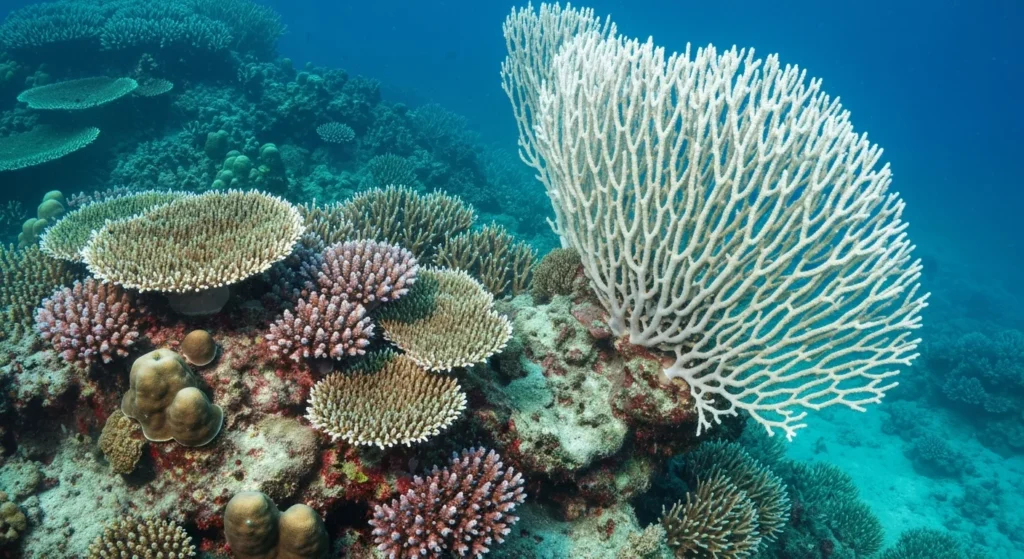
The crown jewel of snorkeling sites. 2-8m depth off a village jetty. Blacktip reef sharks, sea turtles, giant trevally, barracuda schools, staghorn coral gardens. 5 minutes from most Dampier resorts. Year-round excellent conditions.
Arborek Village Reef
Gentle sloping reef surrounding a traditional village on stilts. Sea turtles, reef sharks, clownfish communities, giant clams. 1-6m depth with zero current. Perfect for families and beginners. Combined with village cultural visit.
Friwen Wall
Dramatic vertical wall starting at surface level. Hard corals, soft corals, sea fans, nudibranchs, reef fish density rivaling dive sites. 1-15m visible from surface. Light current occasionally. The most visually striking snorkel in Raja Ampat.
Snorkeling Conditions and Best Season
Raja Ampat offers year-round snorkeling with warm water temperatures eliminating the need for wetsuits in most conditions. A rash guard provides sun protection and minor thermal insulation for extended sessions. Visibility at snorkeling sites typically ranges from 10-20 meters, with the clearest conditions from November through February when calm seas allow fine sediments to settle. Tidal cycles significantly affect snorkeling quality — incoming tides bring clearer water and increased fish activity to jetty sites, while low tides expose shallow reef sections that concentrate marine life in accessible areas. Your guide will time site visits to optimal tidal windows. Current strength at snorkeling sites ranges from zero (protected jetties and lagoons) to moderate (channel sites like Melissa’s Garden), so communicate your comfort level to guides who will select appropriate sites for your ability. Morning sessions before 10:00 AM consistently offer the best combination of calm water, good light penetration, and active marine life.
Snorkeling Equipment and Tips
Bringing personal snorkel gear dramatically improves your Raja Ampat experience. A well-fitting mask eliminates fogging and leaking issues common with rental equipment, while a dry-top snorkel prevents water ingestion during surface chop. Reef-safe rash guards provide superior sun protection compared to repeated sunscreen application and reduce plastic pollution in sensitive reef environments. Fins are essential for efficient movement and current management at sites like Friwen Wall. If renting equipment, inspect mask seals and snorkel valves before departing — replacement gear is unavailable once on the water. Waterproof cameras transform your snorkeling from observation to documentation, with affordable action cameras producing stunning results in Raja Ampat’s clear, well-lit shallows. The most important snorkeling skill in Raja Ampat is buoyancy awareness — stay horizontal at the surface without hanging vertical, which brings fins dangerously close to fragile corals below.
Frequently Asked Questions
Can non-swimmers enjoy Raja Ampat’s reefs?
Yes, life jackets allow non-swimmers to float comfortably while observing reefs from the surface at calm sites like Arborek and Yenbuba. Several jetties also offer knee-to-waist-depth reef viewing where fish gather around wooden pylons, visible without submersion. Glass-bottom kayaks provide another reef viewing option.
Is it safe to snorkel with reef sharks?
Absolutely. Blacktip and whitetip reef sharks at Raja Ampat snorkeling sites are small (1-1.5m), non-aggressive, and completely habituated to human presence. They feed on small reef fish and pose zero threat to snorkelers. These encounters are highlights of any Raja Ampat snorkeling experience.
Do I need a guide for snorkeling?
Guided snorkeling is strongly recommended for safety and marine life identification. Guides know current conditions, optimal entry/exit points, and where specific marine life gathers. Many rare species visible at Raja Ampat sites go unnoticed without expert guidance pointing them out.
What marine life will I see snorkeling vs diving?
Snorkelers regularly encounter reef sharks, sea turtles, manta rays (at specific sites), schools of barracuda and trevally, clownfish, parrotfish, angelfish, and spectacular coral formations. Macro life (pygmy seahorses, nudibranchs) and deep pelagics are diving-exclusive, but overall biodiversity visible from the surface at Raja Ampat exceeds most diving destinations elsewhere.
Explore the Best Snorkeling
No certification needed — just fins, mask, and the world’s most biodiverse waters. We’ll guide you to the best spots.
Expert Guide: Best Snorkeling Spots Raja Ampat in Raja Ampat
Raja Ampat occupies a singular position in the world of marine travel — recognised not as one of the great destinations but as the definitive benchmark. With 1,500+ fish species, 600 hard coral varieties, and more endemic marine species per square kilometre than anywhere else on the planet, every experience here unfolds against a backdrop of unparalleled ecological significance. Understanding best snorkeling spots raja ampat in this context means appreciating an environment that has taken geological and evolutionary time to reach its current extraordinary state.
The 40,000 square kilometre Raja Ampat Marine Protected Area operates under one of the world’s most effective community-based conservation models. Revenue from marine park entry fees funds year-round patrol vessels, community ranger programmes, and scientific monitoring that have measurably increased fish biomass within protected zones by 40–60% since 2007. This conservation investment is directly experienced by every visitor — the density of marine life, clarity of water, and pristine condition of reefs here result from deliberate, sustained protection effort.
Key Planning Considerations
- Optimal season: October–April for calm seas and 25–40m visibility; diving continues year-round
- Marine park entry: USD 100 international / IDR 1,000,000 Indonesian — valid for 12 months
- Advance booking: Premium options require 6–12 months notice for peak October–April dates
- Water temperature: 27–30°C year-round; 3mm wetsuit sufficient for most activities
- Conservation commitment: Respect no-take zones, no-anchor reefs, and responsible wildlife interaction guidelines
Our specialist team at Juara Holding Group has operated in Raja Ampat since its emergence as an international destination. This depth of local knowledge — relationships with licensed operators, marine park authorities, and community organisations — translates into experiences unavailable through general travel agencies. We match each client’s specific objectives, time constraints, and budget to the exact combination of operators, vessels, and sites that delivers the best possible outcome. Contact our Raja Ampat division to begin planning your expedition.
Raja Ampat Fast Facts
1,500+
Fish species
600
Coral species
27–30°C
Water temperature
#1 Earth
Marine biodiversity