West Papua · The Coral Triangle’s 1,500-island archipelago
Experience the world’s most biodiverse marine ecosystem. Luxury liveaboards, private yacht charters, world-class diving and snorkeling, island tours and resort stays — curated end to end by our local team.
Few places on Earth combine sheer remoteness with this much wonder. Raja Ampat sits at the convergence of the Pacific and Indian Oceans, where nutrient-rich currents have built reefs so dense with life that scientists have repeatedly recorded more species per square metre here than anywhere else on the planet.
A single dive at Cape Kri famously logged 374 fish species. Manta cleaning stations gather oceanic giants with five-metre wingspans. Limestone karst islands rise from glassy lagoons in Wayag and Pianemo. And around them, Papuan communities live in genuine harmony with the sea.
From liveaboard expeditions and private phinisi charters to overwater bungalows and authentic homestays, Raja Ampat Islands curates every part of the journey — flights, ferries, permits, guides — so you can step off the plane in Sorong and let the archipelago unfold in front of you.

From liveaboard expeditions to private yacht charters, world-class diving and authentic homestays — we tailor the journey to your style.

7–14 day premium liveaboard expeditions with 3–4 dives daily across 50+ world-class dive sites in the north and south.
Discover
Private phinisi and luxury yacht charters with full crew, chef and dive master. Complete freedom to explore hidden lagoons.
Discover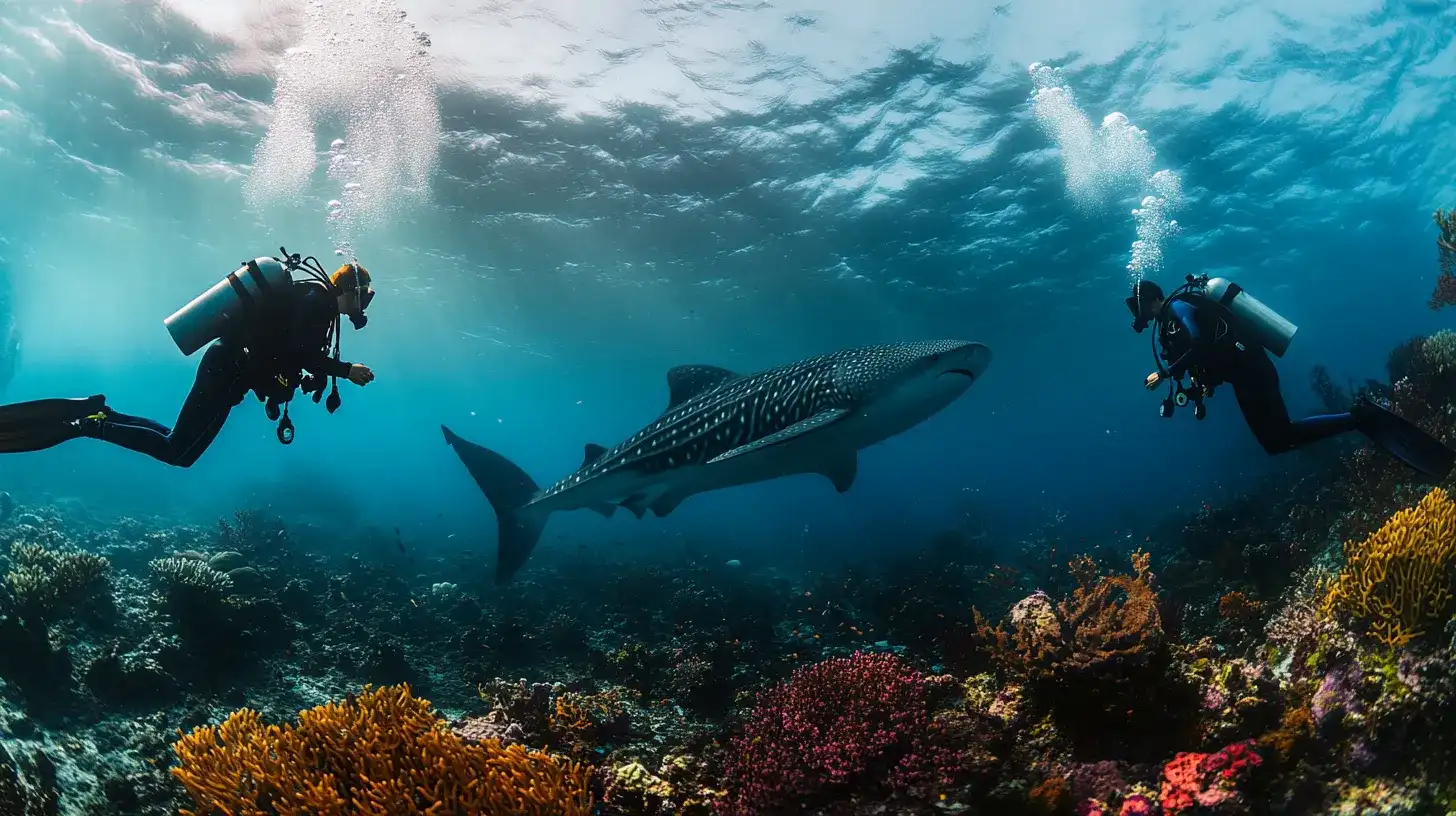
1,500+ fish species, 600 coral species. Dive Blue Magic, Cape Kri, Manta Sandy and the richest reefs on the planet.
Discover
Wayag viewpoint hikes, Pianemo karst lagoons, hidden beaches and cultural village visits across the archipelago.
Discover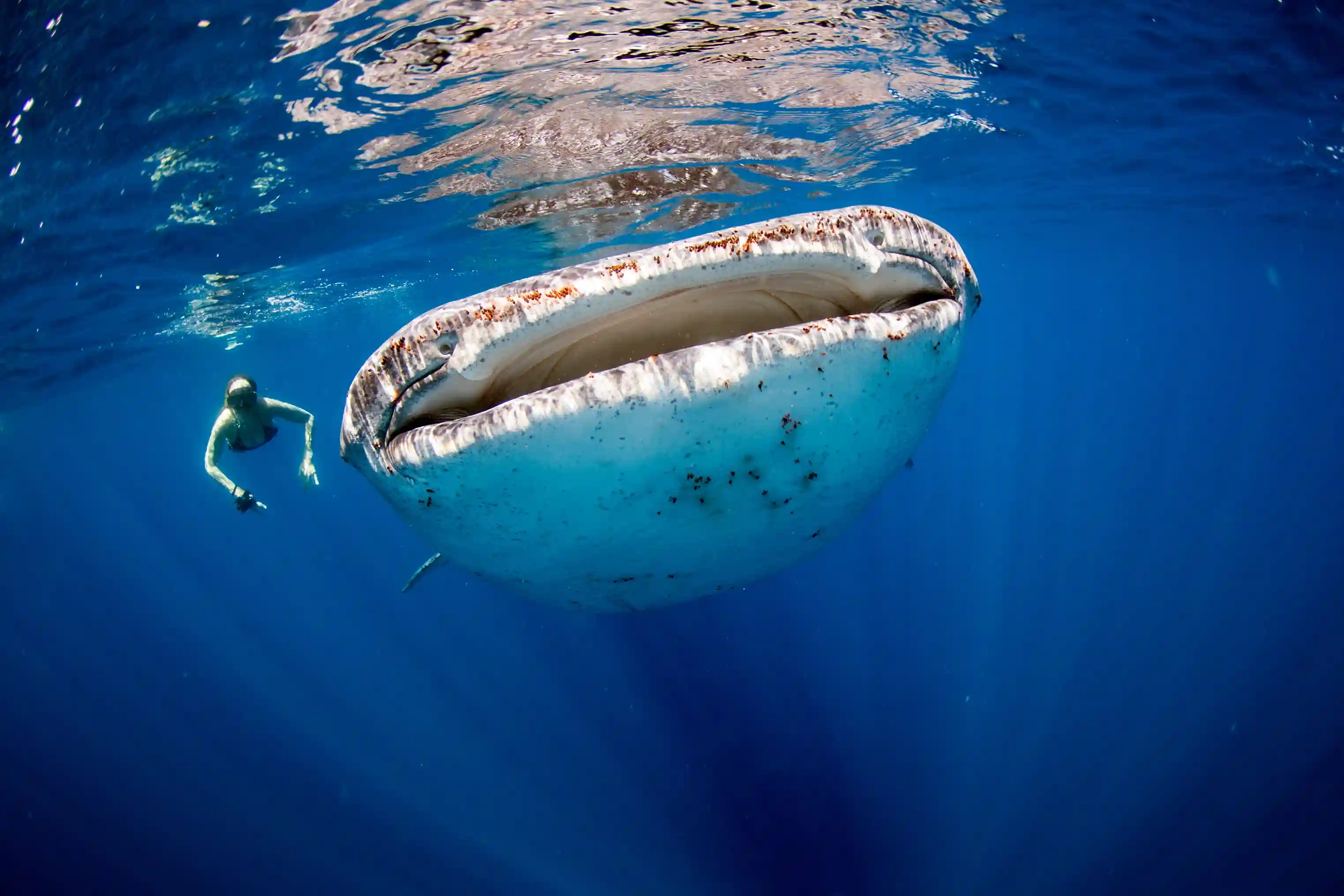
Crystal-clear water with manta rays, sea turtles and vibrant coral gardens just below the surface at 1–10 metres.
Discover
Luxury overwater bungalows, eco-resorts and authentic Papuan homestays — accommodation for every travel style.
DiscoverFour signature destinations that define the Raja Ampat experience.
The iconic karst-island panorama in the far north — a short hike to one of the most photographed viewpoints on Earth.
Discover
Wayag’s more accessible sister: jewel-shaped lagoons threaded between limestone islets, reachable by speedboat from Waisai.
Discover
A shallow cleaning station where oceanic mantas with 5-metre wingspans glide in queue — one of diving’s great spectacles.
Discover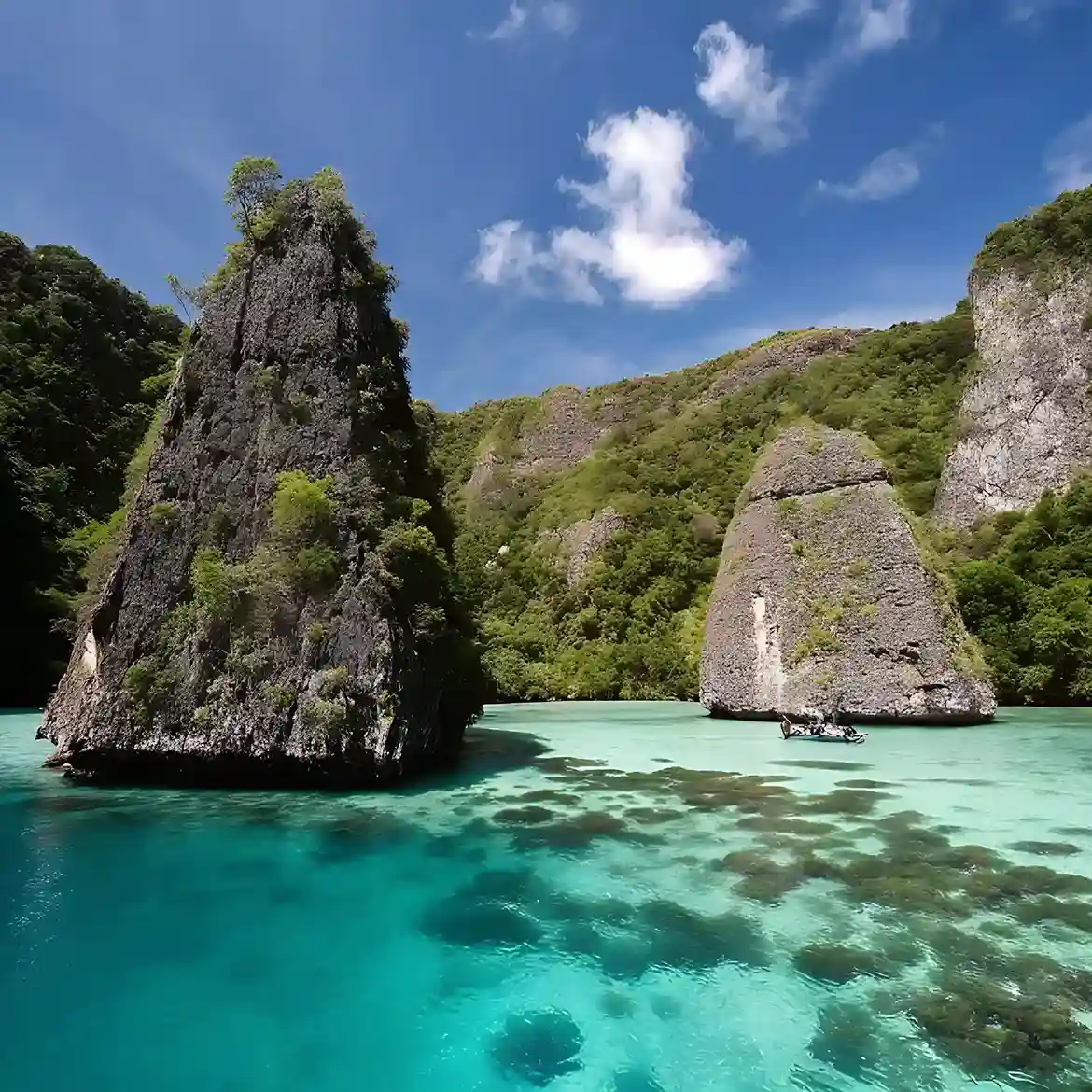
The southern realm of the archipelago: pristine soft-coral walls, lagoons and rock-art sites only liveaboards can reach.
DiscoverFrom your first WhatsApp to standing on a Raja Ampat boat — four straightforward steps.
Share your dates, group size, primary interest and budget. We listen first.
A personalized itinerary with vessels, resorts and logistics — usually within 2 hours.
Secure your dates with a deposit. We handle permits, transfers and bookings.
Land in Sorong, meet your guide, and let Raja Ampat unfold around you.
Everything worth knowing before you go — routing, season, and what to budget.
Fly to Sorong (SOQ) via Jakarta or Makassar, then a 2-hour ferry to Waisai. We coordinate every leg.
Read guideOctober–April for peak diving and manta season. Water 27–30°C year-round.
Read guideDaily budgets from $100–150 (homestays) to $500–1,500+ (luxury). Full breakdown inside.
Read guideReal words from guests who experienced Raja Ampat with our team.
“The diving was beyond anything I imagined. Three mantas at Manta Sandy on the first dive, soft-coral walls at Misool that felt like another planet. The team handled everything from Sorong onwards.”
“We booked a private phinisi for our honeymoon and it felt like our own floating villa. Wayag at sunrise, hidden lagoons all to ourselves, dinners under the stars. Every detail thought through.”
“I am not a diver and worried I would feel left out — instead I snorkeled with sea turtles every single day. The Papuan staff and the food at our eco-resort were unforgettable.”
Still unsure? Our Raja Ampat specialists answer every question personally — usually within 2 hours on WhatsApp.
Have a question we didn’t answer?
Ask Our TeamTell us your dates and what you have in mind. Our Raja Ampat specialists send a personalized proposal — usually within 2 hours during business hours (WITA / GMT+8).
or call +62 811 2859 0000