Traveling the Ancient Way
Traditional boat charter in Raja Ampat connects you with the maritime culture that has sustained island communities for millennia. These handcrafted wooden vessels — from simple outrigger-equipped ketinting longboats to elegant small-scale Phinisi traders — represent living maritime heritage, built and operated by Papuan and Bugis seafarers whose navigation skills predate modern GPS by centuries. Choosing a traditional boat charter means trading speed and luxury for authenticity, cultural connection, and a pace of travel that reveals the archipelago’s rhythms in ways that speedboats and modern yachts cannot. The gentle thrum of a single-cylinder diesel engine, the captain reading wind and current by water color and cloud patterns, the unhurried arrival at village jetties where your boat’s presence draws curious children and welcoming elders — these are the textures of travel that transform a trip to Raja Ampat from tourism into genuine cultural experience.

Traditional Vessel Types
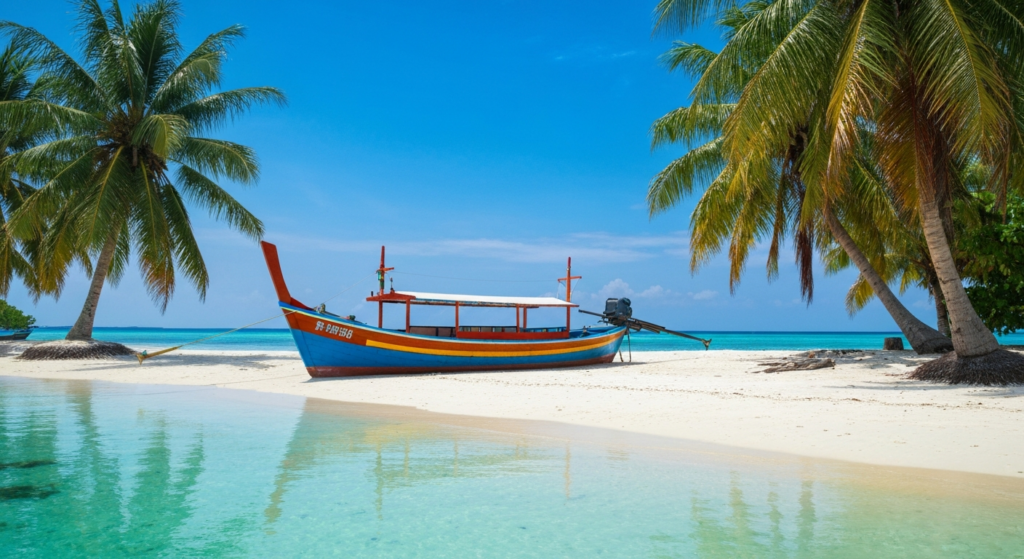
Ketinting Longboat
Simple wooden longboat with outboard or long-tail engine. 4-6 passengers. Open-air, basic sun shade. $100-200/day. Used for short inter-island transfers and fishing. The most common local vessel type. Genuine grassroots transport.
Converted Fishing Boat
Larger wooden vessel with covered deck space and basic sleeping area. 6-10 passengers. Diesel engine. Cooking facilities for multi-day trips. $200-400/day. Suitable for 2-5 day expeditions. Budget liveaboard alternative.
Small Phinisi (15-25m)
Traditional sailing vessel with 2-4 simple cabins. 6-12 passengers. Sail-and-engine capability. Local crew of 4-6. $300-600/day including meals. Multi-day charters with cultural immersion focus. Budget luxury with authentic character.
The Traditional Boat Experience
Traveling by traditional boat in Raja Ampat means embracing a simpler, slower, and more connected form of exploration. Days begin early as captains read weather and tidal conditions to plot the day’s route, departing with the dawn light that illuminates Raja Ampat’s waters in shades of gold and turquoise. Transit speeds of 5-12 knots mean journeys between islands take longer than speedboat transfers, but this slower pace reveals details invisible at speed — dolphins playing in the bow wave, flying fish skimming alongside, sea eagles circling above, and the gradual revelation of karst formations as you approach from open water. Meals aboard traditional boats are typically simple Indonesian fare — rice, grilled fish caught hours before, sambal, vegetables, and fruit — prepared by the crew on a small onboard kitchen or over a charcoal brazier during beach stops. Overnight options range from sleeping on deck under a canopy of equatorial stars to anchoring near a village homestay where warm showers and basic beds supplement the boat-based experience.
Supporting Local Communities
Traditional boat charters directly support Raja Ampat’s indigenous maritime communities in ways that modern tourism operations often don’t. Your charter fee goes directly to the boat owner and crew — typically a single family or small community cooperative — providing primary income that keeps traditional boat-building skills alive and economically viable. These same communities serve as the front line of marine conservation, their daily presence on the water serving as an informal patrol network that detects and deters illegal fishing activities. By choosing traditional boats, you contribute to an economic model where conservation, culture, and livelihood are mutually reinforcing. Many traditional boat captains offer additional cultural experiences during multi-day charters — fishing with handlines alongside the crew, learning traditional navigation techniques, visiting family compounds in remote villages, and participating in community meals where your presence as a respectful visitor strengthens the social bonds that underpin Raja Ampat’s community-based conservation model.
Frequently Asked Questions
Are traditional boats safe for open water travel?
Traditional vessels operated by experienced local captains are safe for routes within their designed capability. Ketinting longboats are suited for sheltered waters and short open crossings. Larger converted boats and small Phinisis handle open water conditions experienced captains deem safe. Always verify life jacket availability and assess weather conditions before departure.
What amenities are available on traditional boats?
Basic sun shade, seating, and cooler storage on all vessels. Larger boats add covered sleeping areas, basic toilet facilities, and cooking capability. Electricity for device charging is limited — bring portable power banks. Comfort expectations should align with the authentic, budget nature of traditional boat travel.
How do I find a reliable traditional boat captain?
Homestay owners and village chiefs are the best referral sources, as they know local captains personally and have accountability for guest experiences. Waisai’s harbor master office can also connect travelers with registered boat operators. Avoid accepting charter offers from unknown individuals at the port without local recommendation.
Can traditional boats reach Wayag and other remote destinations?
Larger converted fishing boats and small Phinisis can reach Wayag (4-6 hours from Waisai) and northern destinations in suitable weather. Ketinting longboats are not recommended for extended open-water transits. Multi-day charters to remote areas require overnight anchoring capability and adequate fuel and water supplies.
Charter a Traditional Boat
Experience Raja Ampat the way locals have for generations. Authentic travel, cultural connection, and genuine adventure on traditional vessels.