Raja Ampat Marine Life: The Richest Seas on Earth
The marine biodiversity of Raja Ampat is not merely exceptional — it is unprecedented. No other marine region of comparable size has been found to contain such a concentration of species across virtually every taxonomic group. From the tiniest pygmy seahorse (Hippocampus bargibanti, just 2cm long and perfectly camouflaged against gorgonian sea fans) to the massive oceanic manta ray (Mobula birostris, with wingspans exceeding 7 meters), Raja Ampat’s waters host an extraordinary spectrum of marine life that has captivated scientists and divers alike for decades.
The region’s extraordinary biodiversity results from its position at the confluence of three major ocean current systems within the Coral Triangle — the global epicenter of marine evolution. These currents bring nutrient-rich water from the Pacific, creating the productivity that supports complex food webs from microscopic plankton to apex predators. The archipelago’s varied habitats — from mangrove forests and seagrass beds to shallow coral gardens, dramatic wall dives, and deep ocean trenches — provide niches for an astonishing array of species at every stage of their life cycles.
Manta Rays
Raja Ampat is one of the world’s premier destinations for manta ray encounters. Both reef mantas (Mobula alfredi) and oceanic mantas (Mobula birostris) inhabit these waters, with reef mantas being the more commonly encountered species at established cleaning stations. Manta Sandy, the archipelago’s most famous manta site, hosts regular aggregations of 5-20 reef mantas during the October-April season, with individuals returning to the same cleaning stations year after year.
Research conducted by the Raja Ampat Marine Research Foundation has identified over 300 individual manta rays in the archipelago through photo-identification of their unique belly patterns. This population represents one of the largest and healthiest manta populations in Indonesia, protected by the archipelago’s MPA status and strict no-touch diving protocols. Mantas in Raja Ampat are remarkably habituated to divers and snorkelers, often approaching within arm’s length of observers who remain still and non-threatening.
Sharks and Rays
Raja Ampat hosts at least 20 species of sharks, from the large grey reef sharks and whitetip reef sharks that patrol sites like Cape Kri and Blue Magic to the extraordinary walking sharks (Hemiscyllium species) that have become the archipelago’s conservation mascots. The epaulette or walking shark is a small, harmless species that “walks” across the reef floor using its pectoral and pelvic fins, typically during night dives or at dawn and dusk when it hunts small invertebrates in shallow reef flats.
Whale sharks (Rhincodon typus), the world’s largest fish, make periodic appearances in Raja Ampat’s waters, particularly in deeper channels between June and August. While sightings are not guaranteed, encountering a 10-12 meter whale shark during a liveaboard trip is a possibility that adds an element of thrilling unpredictability to every dive. Eagle rays, mobula rays, and various species of stingrays complete the elasmobranch diversity, making Raja Ampat one of the most important shark and ray habitats in the Coral Triangle.
Coral Reefs
Raja Ampat’s 600+ hard coral species represent approximately 75% of all known coral species on the planet — a concentration of diversity that is truly extraordinary. These corals form reef structures of staggering complexity, from massive table coral formations stretching meters across at sites like Melissa’s Garden to delicate branching corals hosting clouds of chromis and anthias on virtually every reef in the archipelago.
The health of Raja Ampat’s coral reefs is a conservation success story. While global bleaching events have devastated coral reefs across the tropics, Raja Ampat’s reefs have shown remarkable resilience, recovering faster and more completely than reefs in most other regions. Scientists attribute this resilience to the strong currents that moderate water temperatures, the genetic diversity of coral populations at the center of species evolution, and the effective marine protection that has eliminated destructive fishing practices from most of the archipelago.
Endemic and Rare Species
Beyond the headline megafauna, Raja Ampat harbors an exceptional concentration of endemic species found nowhere else on Earth. The walking shark (Hemiscyllium halmahera) is the most famous, but the list includes numerous species of nudibranchs, gobies, blennies, and invertebrates that have been described by science only from Raja Ampat specimens. New species continue to be discovered regularly, with marine biologists estimating that hundreds of invertebrate species in the archipelago remain undescribed.
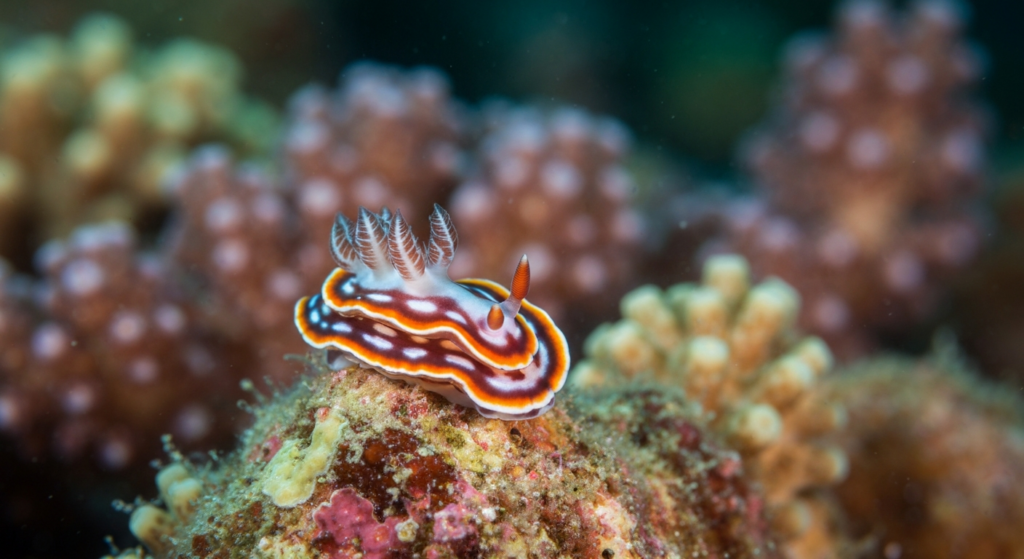
For underwater photographers and macro enthusiasts, Raja Ampat is a treasure trove. Pygmy seahorses (at least 4 species including the blue-tinged Hippocampus denise), ornate ghost pipefish, mimic octopus, blue-ringed octopus, mantis shrimp in spectacular colors, and an extraordinary diversity of nudibranchs provide endless subjects for macro photography. Many dive guides in Raja Ampat have developed remarkable abilities to locate these tiny creatures, making guided macro dives a highlight of any trip.
Frequently Asked Questions
What marine life can I see in Raja Ampat?
Raja Ampat hosts 1,500+ fish species, 600 coral species, manta rays (reef and oceanic), whale sharks (seasonal), walking sharks (endemic), pygmy seahorses, sea turtles, reef sharks, dolphins, dugongs, eagle rays, Napoleon wrasse, bumphead parrotfish, and thousands of invertebrate species including nudibranchs, octopus, and mantis shrimp.
Can I see manta rays in Raja Ampat?
Yes. Manta ray encounters are virtually guaranteed at cleaning stations like Manta Sandy from October through April. Groups of 5-20 reef mantas regularly visit these sites. Oceanic mantas are occasionally spotted at offshore pinnacles. Both divers and snorkelers can observe mantas.
Are there sharks in Raja Ampat?
Yes, at least 20 shark species inhabit Raja Ampat including grey reef sharks, whitetip reef sharks, blacktip reef sharks, wobbegong sharks, and the endemic walking shark. All are non-aggressive reef species. Whale sharks appear seasonally (June-August). Shark encounters are a highlight for divers, not a safety concern.
What is a walking shark?
The walking shark (Hemiscyllium species) is a small (60-80cm) endemic shark that “walks” across the reef floor using its pectoral and pelvic fins. Found only in eastern Indonesia and Papua New Guinea, several species have been described from Raja Ampat. They are harmless, nocturnal predators that feed on small invertebrates in shallow reef flats.